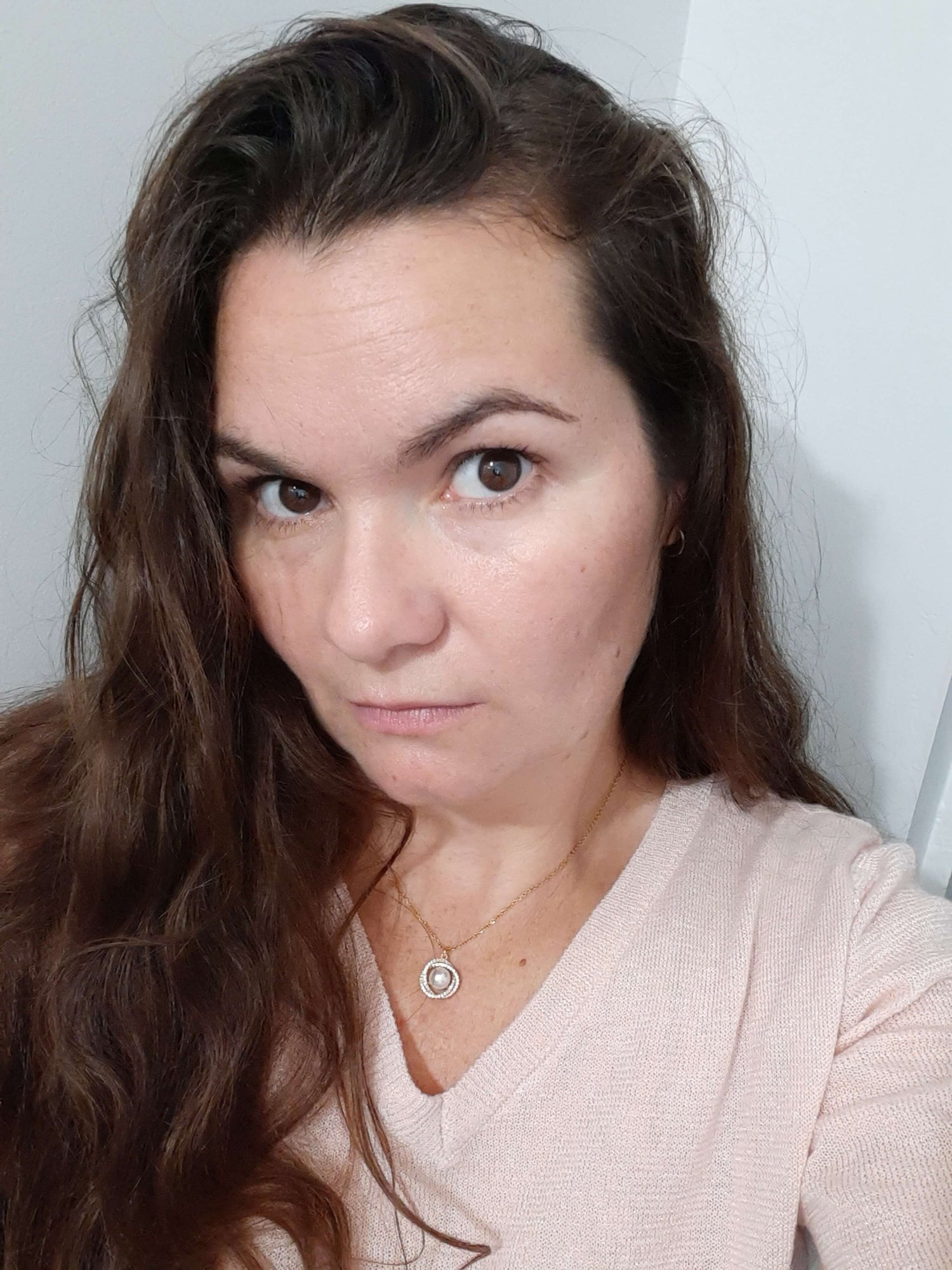
I was 17, fresh out of high school, and completely naive about so many things, but deeply in love with the idea of building a life in fashion.
I imagined myself eventually becoming a designer, creating small collections of chiffon and lace. I even decided my future label would be called Chiffon Princess. My focus at the time was pattern making and sewing, although I now understand that is not quite the same role as being a designer.
I loved the idea of wearing flowing dresses, moving through workrooms in heels, and coordinating a small creative team. I pictured fabric stores as places of possibility-where materials were chosen with care, work was fairly rewarded, and both makers and customers were genuinely satisfied with what they created and wore.
But more than 20 years later, two things are true. The world is very different to what I imagined back then, and I am no longer anywhere near as naive as I once was. Many of the things I dreamed of at 17 simply do not exist in the way I thought they would.
Perhaps I was born into the wrong version of the industry-or the wrong version of time altogether. But experience has a way of reshaping romantic ideas, and over the years my understanding of fashion has shifted from something idealised and personal to something far more complex.
One of the biggest realisations I’ve had is that the word “ethics” in fashion is often used as if it is simple and clearly defined-but in practice, it is far more layered than it first appears.
When people talk about ethics in fashion, it is often treated as a simple distinction between right and wrong choices. But in reality, especially within global textile systems, that clarity quickly breaks down. What appears ethical from one perspective can still involve compromise from another.
Over time, I’ve come to understand that ethics in textiles is not a binary system. It is something shaped by competing pressures, limited options, and systems that are not always visible at first glance.
This series is my attempt to explore those layers more closely—not to simplify them, but to better understand how they operate.
Across the coming posts, I will be looking at themes such as ethics and sustainability in fashion, the realities of labour and production, the environmental impact of different fibres, and the history and structure of the textile industry itself. I will also explore how decisions are made in practice, and why concepts like “ethical fashion” are often far more complicated than they initially appear.